Lebanon
Promised
Land
of
Tourism
AT
01
-Byblos:
(35
Km
from
Beirut)
Byblos
gathers
over
6000
years
of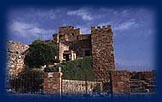 History
and
culture.
Visitors
will
be
astonished
of
the
number
of
superimposed
cultural
layers:
The
Romans
have
left
a
monumental
fountain,
a
sanctuary,
a
colonnade
&
a
magnificent
amphitheater.
History
and
culture.
Visitors
will
be
astonished
of
the
number
of
superimposed
cultural
layers:
The
Romans
have
left
a
monumental
fountain,
a
sanctuary,
a
colonnade
&
a
magnificent
amphitheater.
The
crusaders,
a
castle
built
inside
the
ramparts
of
the
old
city,
And
St.
John
church
of
Roman
style.
AT
02
-
Jeita:
(20
Km
from
Beirut)
Jeita
grottos
have
already
cut
the
breath
of
thousands
of
visitors.
Two
grottos
superimposed
linked
by
a
cable
car
,
sink
at
thousand
meters
inside
the
mountains.
The
lower
grotto
could
be
visited
with
a
bark
.
The
upper
grotto
could
be
explored
on
foot.
Stalactites
&
Stalagmites
evoking
the
fauna
and
the
flora,
water
falls,
lakes
and
natural
columns.
AT
03
-
Harissa:
Visit
the
magnificent
statue
of
our
Lady
of
Lebano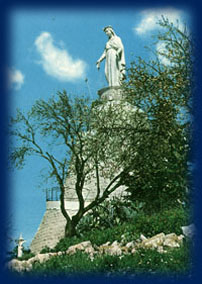 n
in
Harissa
with
its
cathedral
of
a
Phoenician
boat
shape,
where
we
can
take
the
cable
cars
down
to
Jounieh
enjoying
its
unique
and
spectacular
bay
view
. n
in
Harissa
with
its
cathedral
of
a
Phoenician
boat
shape,
where
we
can
take
the
cable
cars
down
to
Jounieh
enjoying
its
unique
and
spectacular
bay
view
.
AT
04
-
Tripoli:
(75
Km
north
of
Beirut)
By
visiting
the
2nd
Capital
of
Lebanon,
Tripoli,
we
can
admire
the
castle
of
St.
Gilles,
the
only
remain
of
the
Crusader’s
180
years
reign,
the
church
of
St
Mary
of
the
tour
today
the
great
Mosque,
the
Mamelouk’s
building
such
as
the
mosque
of
Teynal,
the
one
of
Abdel
Wahed
and
the
great
Mosque
of
Al’
Achraf.
Also
in
the
Mina
area,
the
tours,
the
Khans
&
the
Hammams
with
domes.
AT
05
-
Beiteddine:
(45
Km
south
east
of
Beirut),
the
palace
of
Beiteddine,
house
of
faith,
is
a
jewel
of
the
Lebanese
architecture
of
the
XIX
century,
with
its
elegant
porches
and
arcades,
fountains,
galleries,
its
monumental
doors
with
various
engravings,
carried
out
by
the
most
skilful
sculptors
of
that
times.
AT
06
-
Moussa
castle:
The
Lebanese
traditions
incarnated
in
Moussa
castle
located
in
the
little
town
dominating
the
valley
where
flows
a
tributary
of
Nahr
el
Damour.
It
is
the
real
place
where
we
can
touch
the
typical
and
traditional
Lebanese
customs
gathered
&
protected
all
trough
the
years
.
AT
07
-
Beirut:
The
pearl
of
the
Orient,
mother
of
Laws,
bride
of
the
Mediterranean
sea,
capital
of
Lebanon,
"Beirut".
The
History
of
Beirut
starts
with
the
Phoenicians.
It
reveals
a
long
phase
of
different
invasions.
Beirut
is
under
reconstruction.
The
city
becomes
probably
one
of
the
most
beautiful
jewels
of
the
world.
It’s
worthwhile
stopping
to
visit
the
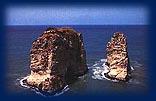
Pigeons
grottoes
and
the
archeological
sites
of
ancient
ruins
in
the
central
district
of
the
city.
AT
08
-
Cedars
&
Kozhaya
Valley:
Driving
north
,
passing
Byblos
 &
&
Al
Moussaylaha
castle,
we
take
the
mountain
road
to
reach
this
slice
of
paradise
called
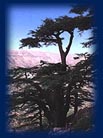
Cedars
of
Lord
(120
Km
north
Beirut)
that
constitutes
one
of
the
most
precious
relics
of
Lebanon.
Continue
to
Becharre
a
neighboring
village
of
the
Cedars,
that
is
the
birth
&
resting
place
of
Jibran
Khalil
Jibran
Lebanon’s
most
famous
poet,
artist
&
novelist
,from
where
you
will
take
a
global
view
of
the
Saint
valley
&
visit
the
monastery
of
Saint
Anthony.
AT
09
-
Sidon
&
Tyre:
Passing
Beirut,
and
driving
south
via
Al
Dam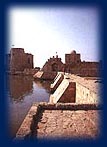 our, our,
we
reach
the
first
commercial
metropolis
of
the
world
(38
Km
south
of
Beirut),
Tyre.
Today,
the
city
is
the
most
vivid
antique
place
for
those
who
can
contemplate
the
stones
and
the
marble
of
the
past
centuries.
Proceed
to
Sidon
(45
Km
south
of
Beirut).
Like
most
of
the
ancient
Phoenician
cities,
Sidon
is
built
on
a
promontory
faced
by
an
island.
The
major
attraction
is
the
crusader
castle
of
the
sea
which
is
connected
to
the
placid
harbor
with
a
short
causeway.
AT
10
-
Baalbeck
&
Kefraya
Winery:
Drive
through
the
mount
Lebanon,
via
the
Bekaa
valley
&
Zahle
to
reach
Baalbeck,
the
small
town
outstanding
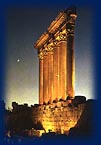 for
its
Acropolis
considered
among
the
most
important
Roman
ruins
in
the
world.
We
can
discover
the
great
complex
of
Jupiter
temple,
the
temple
of
Bacchus
with
its
decorations
and
the
one
of
Venus.
Continue
to
Kefraya
Winery,
to
sample
many
varieties
of
wine. for
its
Acropolis
considered
among
the
most
important
Roman
ruins
in
the
world.
We
can
discover
the
great
complex
of
Jupiter
temple,
the
temple
of
Bacchus
with
its
decorations
and
the
one
of
Venus.
Continue
to
Kefraya
Winery,
to
sample
many
varieties
of
wine.
Back
to
top
AT
11
-
Byblos
&
Tripoli:
Take
the
northern
highway
to
visit
the
city
of
the
most
ancient
port
in
the
world
called
Byblos,
where
we
will
visit
its
crusader
castle,
its
old
souk
&
oldest
port.
Continue
to
Tripoli,
to
discover
the
Arabic
aspect
of
the
city
&
bye
traditional
Lebanese
sweets.
AT
12
-
Beiteddine
&
Shouf
Mountain:
(45
Km
south
east
of
Beirut)
We
will
visit
the
palace
of
Beiteddine,
house
of
faith,
which
is
a
jewel
of
the
Lebanese
architecture
of
the
XIX
century,
with
its
elegant
porches
and
arcades
,
et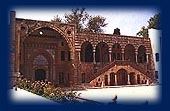 c…
Continue
to
Deir
el
Kamar
to
discover
the
Lebanese
traditions
incarnated
in this
little
town
dominating
the
valley
where
flows
a
tributary
of
Nahr
el
Damour. c…
Continue
to
Deir
el
Kamar
to
discover
the
Lebanese
traditions
incarnated
in this
little
town
dominating
the
valley
where
flows
a
tributary
of
Nahr
el
Damour.
It
is
the
real
place
where
we
can
touch
the
typical
and
traditional
Lebanese
customs
gathered
&
protected
all
through
the
years.
AT
13
-
Jeita
grotto
&
Harissa:
Jeita
grottoes
have
already
cut
the
breath
of
thousands
of
visitors.
Two
grottos
superimposed
linked
by
a
cable
car,
sink
at
thousand
meters
inside
the
mountains.
Visit
the
magnificent
statue
of
our
Lady
of
Lebanon
in
Harissa
with
its
cathedral
of
a
Phoenician
boat
shape,
where
we
can
take
the
cable
cars
down
to
Jounieh
enjoying
its
unique
and
spectacular
bay
view.
AT
14
-
Lebanese
mountain:
Full
day
to
breath
the
healthy
air
and
enjoy
the
spectacular
views
of
the
Lebanese
villages
known
for
their
magical
nature
and
clean
environment.
A
day
to
discover
the
typical
Lebanese
traditions
and
customs
&
to
taste
some
pure
Lebanese
specialties.
AT
15
-
Pilgrim
day:
Visit
the
holly
land
of
Lebanon
starting
by
Rafka
monastery,
Hardine
the
city
of
Lebanon’s
new
saint
called
Al
Hardini,
than
continue
to
Al
Nourieh
Monastery
overlooking
Chekka
bay
&
Tripoli
city
with
the
nicest
view.
AT
16
-
Fun
Shopping
day:
Visit
the
Lebanese
most
famous
Souks,
in
order
to
buy
souvenirs,
and
all
other
merchandise
with
best
prices
&
good
qualities.
AT
17
-
Full
day
to
Damascus:
Take
the
international
road,
Beirut/Damascus,
through
the
Bekaa
Valley,
Via
Chtoura
and
Zahle,
pass
the
Lebanese
Syrian
border,
and
proceed
to
Seydnaya
to
visit
its
monastery,
continue
to
Maaloula
to
visit
its
historical
church
&
valley.
Head
to
the
Syrian
capital
Damascus,
to
visit
its
most
interesting
site(Omayad
Mosque,
the
straight
street,
Ananias
church,
St.
Paul’s
window
and
Hamidieh
souk).
AD
01:
A
typical
Lebanese
dinner
with
an
exceptional
oriental
program
and
extra
menus
(Mezze
+
Barbecue
+
Open
regular
bar)
and
transportation
in
A/C
vehicles.
AD
02:
International
dinner
with
European
ambiance
&
special
shows.
Menus
will
be
according
to
each
restaurant
specialty.
AD
03:
Calm
dinners
without
entertainment
in
many
luxurious
restaurants
chosen carefully
for
their
special
location
and
extra
menus |